
The Mechanics of Illusion
Felix AustriaThis flow follows the novel’s repeated attempts to explain apparent miracles through devices, concealment, and the audience’s desire to believe.
increasing Bearing strength in each event
 decreasing
Bearing strength in each eventdecreasingThe Cloth Behind the Magician
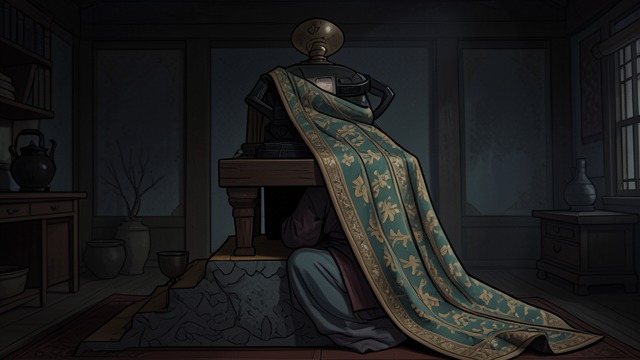
A Trick Almost Explained
Stefania’s theory
After Thorn appears at the center of the stage, Stefania suspects that a patterned cloth concealed him against the pagoda. Petro enjoys her explanation, while Adèle prefers the possibility of a miracle.
Attention remains decisive
The trick works because spectators are prepared to look elsewhere. The novel gives Stefania rational insight without making her immune to later self-deception.
The Floating Performer
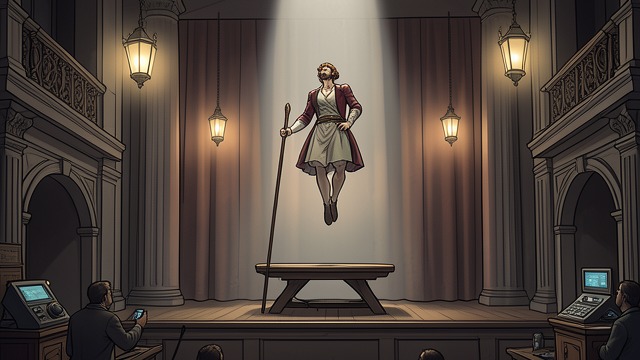
Apparent Levitation Explained
A concealed support
Thorn later explains that a performer’s staff concealed supports and a seat. What looked like a body floating freely depended on a carefully hidden mechanism.
The audience’s participation
Thorn argues that spectators choose the illusion they want. His explanation makes deception social: a trick succeeds because the audience helps preserve it.
The Doctor’s Scientific Doubts

Science Tests the Marvelous
A rational household
Docteur Anger’s medical practice challenges inherited beliefs about health, while his students debate hypnosis, nerves, and spiritual healing. Stefania absorbs fragments of this changing intellectual world.
Mystery persists
Scientific explanation reduces some fears but does not eliminate uncertainty. The novel presents modern knowledge as an expanding method rather than a final answer to every experience.
Felix Appears from Stone
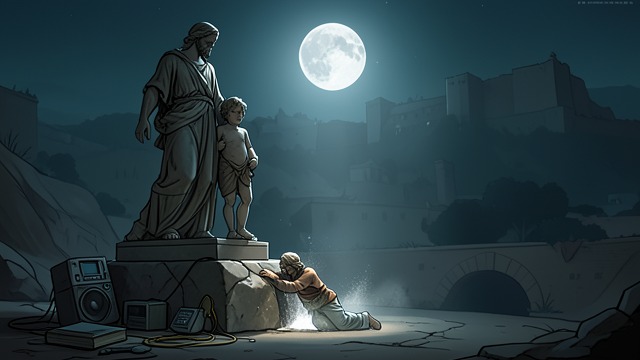
An Apparent Miracle
A child beside the sculpture
The crowd sees Felix emerge in circumstances that seem to turn Petro’s angel into a living being. No account fully explains the moment, and witnesses convert uncertainty into supernatural certainty.
The story remains open
Felix’s body has unusual abilities, and he has a history tied to performance. Those facts provide possible explanations without dissolving the scene’s strangeness.
Self-Deception Revealed

Stefania’s Last Recognition
Illusion turns inward
Stefania recognizes that she has made herself an illusionist, repeatedly arranging signs into the story she wants. Her romantic certainty about Josef becomes one instance of a broader habit.
The public remains inside the trick
The final revelation does not provide full certainty about the fire or the future. Instead, it shows how people depend on constructed meanings to endure an unstable world.
New Year’s Eve 1899
After Thorn’s first performance
In Stefania’s memories of Docteur Anger
Summer 1900
During the final fire
